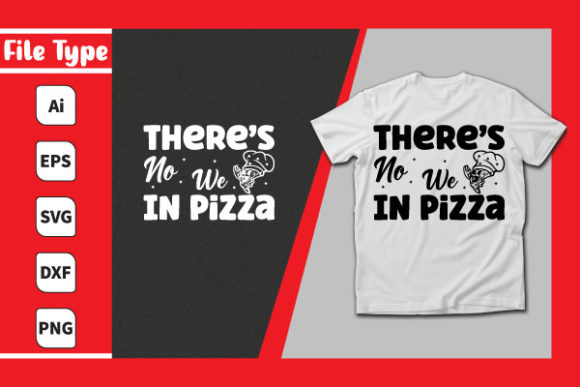
There's No We in Pizza: A Simple Concept with Big Implications for Product Design and Personal Branding
The phrase “There’s No We in Pizza” is more than just a catchy saying—it’s a reminder that individual effort and ownership are key to success. While it may seem like a lighthearted expression, the underlying message resonates deeply in many areas of life, including product design and personal branding. When creating high-quality products, especially those that are customizable and versatile, it’s essential to understand how individuality and flexibility can shape both the creative process and the final outcome.
For those who enjoy designing t-shirts, stickers, posters, or other apparel items, having access to high-quality, editable digital files can make all the difference. These files offer the freedom to personalize designs without compromising on quality, allowing creators to express their unique vision while meeting the needs of diverse audiences. Whether you're an independent designer, a small business owner, or someone looking to enhance your personal brand, understanding the value of these resources is crucial.
The Power of High-Quality Digital Files in Product Design
High-quality digital clip art files are essential tools for anyone involved in graphic design, especially when working on projects that require customization. These files come in various formats such as SVG, EPS, JPG, and PNG, making them compatible with a wide range of software and printing methods. The versatility of these files allows for easy resizing, color changes, and integration into different types of media, from clothing to promotional materials.
One of the most significant advantages of using vector-based files is their scalability. Unlike raster images, which can lose quality when resized, vector graphics maintain sharpness and clarity regardless of size. This makes them ideal for use in both small-scale projects like stickers and large-format applications such as posters or banners. Additionally, the ability to easily change colors means that designers can quickly adapt their work to match specific themes, branding guidelines, or customer preferences.
How to Use These Files Effectively
Whether you're designing for a personal project or running a print-on-demand business, knowing how to utilize these digital assets effectively is key. Here are some practical tips to help you get the most out of your high-quality clip art files:
- Customization: Take advantage of the ability to change colors and adjust shapes to create unique designs that stand out. Experiment with different combinations to find what works best for your target audience.
- Compatibility: Ensure that you’re using the right file format for your intended purpose. For example, SVG files are great for web use, while EPS files are often preferred for professional printing.
- Organization: Keep your files well-organized so you can quickly access and reuse them in future projects. Consider categorizing them based on theme, color, or usage type.
- Testing: Before finalizing any design, test it on different mediums to ensure that it looks good in print and online. This helps avoid potential issues that could arise from poor resolution or color accuracy.
Applications Across Different Industries
The uses for high-quality digital clip art files extend far beyond just t-shirt designs. From scrapbooking to vinyl decals, these assets can be applied in numerous industries and contexts. Let’s explore some of the most common applications:
Apparel and Clothing: One of the most popular uses for these files is in creating custom apparel. Whether it’s a simple t-shirt or a more complex hoodie design, having access to editable vector graphics allows for endless possibilities. You can easily adjust the placement of the design, choose from a variety of colors, and even incorporate text or logos to personalize each piece.
Marketing and Advertising: Businesses often use digital clip art files to create eye-catching marketing materials. From social media posts to printed advertisements, these assets can help convey messages more effectively. The ability to modify colors and shapes ensures that the designs align with brand identity and appeal to the target audience.
Personal Projects: Individuals who enjoy DIY crafts or personal branding can benefit greatly from these files. They can be used to create custom greeting cards, invitations, or even home décor items. The flexibility of the files makes it easy to experiment with different styles and layouts, helping users express their creativity in unique ways.
Why Choose Vector-Based Designs?
Vector-based designs offer several advantages over traditional raster graphics. One of the main benefits is their ability to scale without losing quality. This means that whether you're designing a small sticker or a large banner, the image will remain crisp and clear. Additionally, vector graphics are easier to edit, allowing for quick adjustments to colors, shapes, and sizes.
Another advantage of vector-based designs is their compatibility with a wide range of software and devices. Many design programs, including Adobe Illustrator and CorelDRAW, support vector formats, making it easy to work with these files. Furthermore, since they are often provided in compressed ZIP files, they are convenient to store and share, especially for those who need to collaborate with others or distribute their designs to multiple platforms.
Conclusion: Embracing Individuality Through Design
The phrase “There’s No We in Pizza” reminds us that individual effort and ownership are essential for success. In the world of product design, this principle holds true—those who take the time to understand their tools and invest in high-quality resources are more likely to achieve outstanding results. By leveraging the power of vector-based clip art files, designers can create personalized, high-quality products that reflect their unique vision and meet the needs of their audience.
Whether you're an aspiring designer or a seasoned professional, the ability to customize and adapt your designs is a valuable skill. With the right tools and a clear understanding of your goals, you can turn your creative ideas into tangible products that resonate with others. So go ahead, explore the possibilities, and let your individuality shine through your work.